
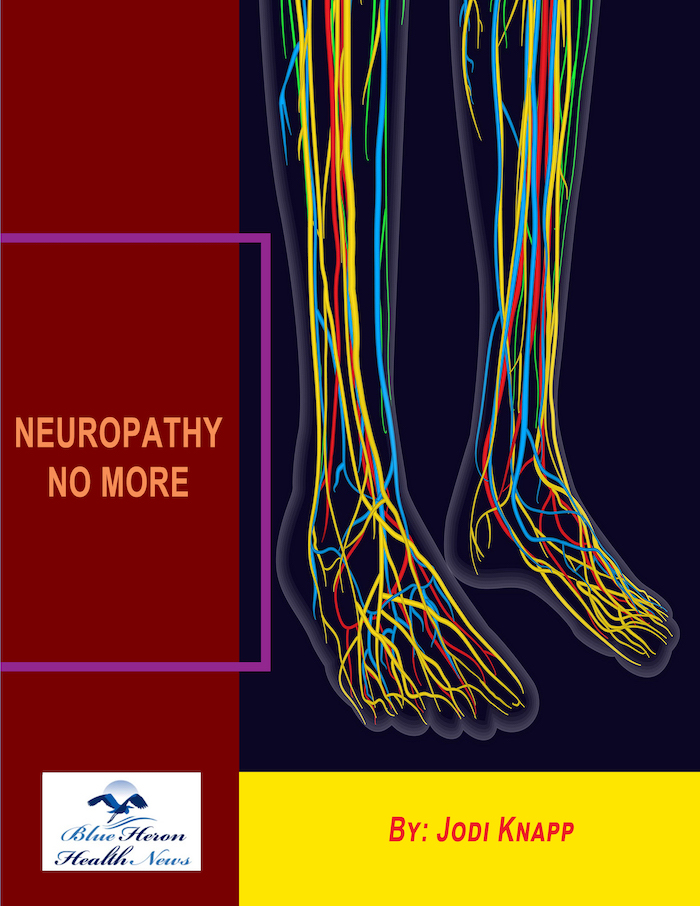
Neuropathy No More neuropathy No More By JODI KNAPP neuropathy is one of the most painful diseases which can make people suffer a lot. Even though medical science has progressed a lot, it could not really found a solution for this condition. This is because the condition is deep routed. You have to make sure that you are changing some of the lifestyle patterns to get relief from the symptoms. The Neuropathy No More is exactly what you need for that. This program is quite helpful and can provide you with all the important information that you will need to ensure better life without the symptoms.
How does neuropathy impact cognitive function?
How Does Neuropathy Impact Cognitive Function?
Neuropathy is a term used to describe damage or dysfunction of the peripheral nerves, which are responsible for transmitting signals between the central nervous system and the rest of the body. It can arise from numerous causes, including diabetes, autoimmune disorders, infections, vitamin deficiencies, chemotherapy, or traumatic injury. Traditionally, neuropathy has been associated with symptoms such as numbness, tingling, pain, muscle weakness, and loss of reflexes. However, growing research reveals that neuropathy is not merely a problem of sensation or motor function. It also has significant implications for cognition, affecting memory, attention, processing speed, and executive functioning.
Understanding how neuropathy impacts cognitive function is important for both clinical practice and patient well-being. This essay explores the connections between peripheral nerve dysfunction and cognitive impairment, examining biological, psychological, and lifestyle factors that mediate this relationship.
Neuropathy and the Brain: The Connection
Although neuropathy affects the peripheral nerves rather than the brain directly, its consequences extend into cognitive domains. Several mechanisms explain this link:
-
Chronic Pain Pathways: Persistent neuropathic pain activates brain regions involved in emotion and attention, leading to structural and functional changes over time.
-
Inflammation and Oxidative Stress: Neuropathy is often associated with systemic inflammation and metabolic dysregulation, which can also damage neurons in the brain.
-
Reduced Mobility and Lifestyle Impact: Neuropathy limits physical activity and social engagement, both of which are protective factors for cognitive health.
-
Emotional Burden: Depression, anxiety, and stresscommon in neuropathy patientsdirectly affect cognitive performance.
Thus, while neuropathy begins in the periphery, it sets off a cascade of physiological and psychological processes that eventually influence brain function.
Pain, Stress, and Cognitive Load
Neuropathic pain is one of the most debilitating symptoms of the condition. Unlike acute pain, which serves as a protective mechanism, neuropathic pain is chronic and often resistant to conventional treatment. Patients frequently describe burning, stabbing, or electric shock–like sensations.
Chronic pain competes for attention, consuming cognitive resources that would otherwise be available for memory, problem-solving, or concentration. Studies have shown that individuals with neuropathic pain perform worse on tasks requiring working memory and sustained attention compared to healthy controls. This is explained by the concept of cognitive loadwhen pain becomes a constant internal distraction, the brain’s processing capacity is diminished.
In addition, chronic pain triggers stress responses, increasing cortisol levels and altering hippocampal function. The hippocampus is critical for learning and memory, meaning prolonged stress contributes to cognitive decline.
Sleep Disturbances and Cognitive Decline
Neuropathy is strongly linked with disrupted sleep. Nighttime pain, tingling, or restless legs can prevent restorative rest. Poor sleep, in turn, impairs several domains of cognition:
-
Memory consolidation is disrupted when deep sleep cycles are shortened.
-
Attention and vigilance decline after insufficient sleep.
-
Processing speed and problem-solving are impaired by fatigue.
Over time, chronic sleep deprivation accelerates cognitive decline and increases the risk of dementia. Thus, sleep disturbances act as an important mediator between neuropathy and impaired cognition.
Emotional and Psychological Impact
Living with neuropathy takes a heavy psychological toll. Depression and anxiety are highly prevalent among neuropathy patients, whether due to pain, reduced mobility, or fear of disease progression. These mood disorders are themselves strongly associated with cognitive dysfunction.
-
Depression reduces motivation and concentration, making it difficult for patients to engage fully in cognitive tasks.
-
Anxiety increases distractibility and impairs working memory, as the brain is constantly scanning for perceived threats.
-
Social withdrawal due to disability or embarrassment further deprives patients of cognitive stimulation.
The emotional burden of neuropathy therefore amplifies cognitive difficulties, creating a cycle where poor cognition worsens quality of life, which in turn reinforces emotional distress.
Biological Mechanisms: Inflammation and Glucose Dysregulation
Biological factors also link neuropathy and cognition. Many patients with neuropathy, particularly those with diabetic neuropathy, experience metabolic dysfunction. Elevated blood glucose damages peripheral nerves but also affects cerebral blood vessels, reducing oxygen supply to the brain. Chronic hyperglycemia is known to accelerate cognitive decline.
Furthermore, neuropathy is associated with systemic inflammation and oxidative stress, processes implicated in neurodegenerative conditions such as Alzheimer’s disease. Inflammatory cytokines can cross the blood-brain barrier, altering neurotransmitter function and promoting neuronal damage. This biological link explains why neuropathy patients often report “brain fog” or difficulty thinking clearly.
Impact on Daily Life and Quality of Living
Cognitive impairment in neuropathy has profound consequences for daily life. Patients may forget medication schedules, struggle to follow medical instructions, or have difficulty managing finances. Workplace performance may suffer, reducing productivity or leading to job loss. In older adults, cognitive impairment combined with physical limitations increases the risk of falls, dependency, and institutionalization.
The interaction between neuropathy and cognitive decline thus affects not only individual well-being but also places a significant burden on caregivers and healthcare systems.
Strategies to Mitigate Cognitive Effects
Although neuropathy presents challenges, several strategies can help mitigate its impact on cognition:
-
Effective Pain Management: Multimodal pain therapies, including medications, physical therapy, and alternative treatments (e.g., acupuncture, mindfulness), reduce the cognitive burden of chronic pain.
-
Sleep Interventions: Cognitive behavioral therapy for insomnia, relaxation techniques, and proper pain control can improve sleep quality.
-
Psychological Support: Counseling, support groups, and stress management programs reduce depression and anxiety, improving cognitive outcomes.
-
Lifestyle Modifications: Regular physical activity, healthy diet, and social engagement protect cognitive function while also improving neuropathic symptoms.
-
Medical Management of Underlying Causes: In cases like diabetic neuropathy, strict glucose control is critical for preventing further nerve and cognitive damage.
-
Cognitive Training: Brain exercises, memory tasks, and structured learning activities can strengthen neural pathways and slow cognitive decline.
These strategies highlight the importance of a holistic approach to careaddressing not only the peripheral symptoms of neuropathy but also its systemic and cognitive effects.
Conclusion
Neuropathy is often perceived as a condition that affects the nerves of the hands and feet, causing numbness, tingling, or pain. However, its impact extends far beyond physical discomfort. Neuropathy affects cognition through multiple pathways: chronic pain that consumes mental resources, sleep disturbances that impair memory and attention, emotional distress that reduces concentration, and biological mechanisms such as inflammation and glucose dysregulation that directly damage brain cells.
The result is a complex interplay between peripheral nerve damage and central cognitive decline, profoundly influencing patients’ quality of life. Recognizing these connections allows healthcare professionals to adopt comprehensive treatment strategies that address both physical and cognitive health. Ultimately, managing neuropathy effectively is not only about alleviating pain or restoring mobility but also about preserving the clarity of thought, memory, and independence that define human well-being.
Neuropathy No More neuropathy No More By JODI KNAPP neuropathy is one of the most painful diseases which can make people suffer a lot. Even though medical science has progressed a lot, it could not really found a solution for this condition. This is because the condition is deep routed. You have to make sure that you are changing some of the lifestyle patterns to get relief from the symptoms. The Neuropathy No More is exactly what you need for that. This program is quite helpful and can provide you with all the im

I’m Mr.Hotsia, sharing 30 years of travel experiences with readers worldwide. This review is based on my personal journey and what I’ve learned along the way. Learn more |